

Did you know a single family dinner can result in over three sauce-related laundry emergencies? It’s a messy reality for anyone who loves a hearty pasta night.
That vibrant red splatter on a white shirt feels like a disaster. You’re not alone. Experts from brands like Red Gold Tomatoes know this challenge well and provide helpful guides.
Tomato sauce stains are a unique foe. They contain deep pigments and oils that bond with fabric fibers in minutes. This makes them one of the trickiest food messes to tackle.
Acting fast is your greatest weapon. The right technique can completely rescue your favorite clothing from a permanent mark. Panic is not the answer—knowledge is.
This guide will walk you through simple, effective steps. You’ll learn to treat these spots confidently and keep your garments looking fresh.
Key Takeaways
- Act immediately when a spill happens to prevent the stain from setting.
- Tomato-based sauces contain pigments that quickly soak into fabric.
- Blot, don’t rub, the affected area to avoid spreading the mess.
- Different fabrics may require specific treatment methods for best results.
- Having a reliable stain removal plan saves your clothing from permanent damage.
- Household items like dish soap and cold water are often effective first steps.
Understanding Tomato Sauce Stains and Their Impact
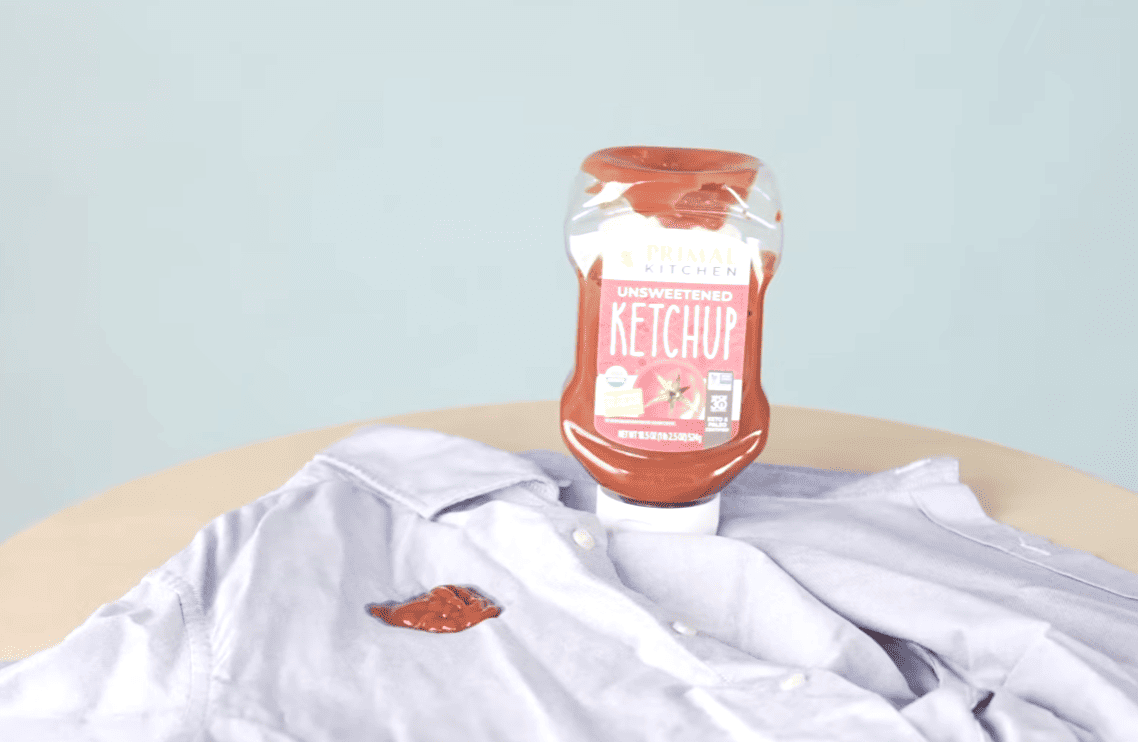
A tomato sauce stain isn’t just one problem—it’s a combination stain. This means it contains both oily components and deep red pigments. Both elements work against your cleaning efforts.
What Makes Tomato Sauce Stains Stubborn
The oily part comes from cooking oils or fats in the sauce. Dish detergent is formulated to break down these greasy elements. This makes it a great first step for stain removal.
The vibrant red pigment is the other challenge. Heat can permanently set this color into fabric fibers. Always use cold water first on fresh tomato stains.
The Role of Pigments and Oils in Fabric
Oils bond with fabric threads, creating a sticky base. Pigments then soak into this oily layer. Together, they create a tough stain that resists simple washing.
Understanding this chemistry guides your cleaning strategy. For colored garments, products like Clorox 2 for Colors use hydrogen peroxide. This safely targets stains without bleaching dyes.
| Stain Component | Effect on Fabric | Recommended First Response |
|---|---|---|
| Oily Elements | Bonds with fibers, creates sticky base | Apply dish detergent |
| Red Pigments | Soaks into fabric, can be heat-set | Rinse with cold water |
| Combination Effect | Creates layered, stubborn stains | Use specialized laundry products |
Proper stain removal requires addressing both parts. Start with cold water to flush out pigments. Then use dish soap for the oily residue. This one-two approach saves your favorite clothes.
How to Get Spaghetti Sauce Out of Clothes Using Quick Action Techniques
The moment that vibrant red hits fabric, a clock starts ticking. Your response in the first few minutes determines success. Quick, correct moves can save your favorite outfit.
This process focuses on two phases. First, contain and remove the bulk of the mess. Second, break down what’s left before washing.
Immediate Blotting and Rinsing Methods
Grab a spoon or dull knife right away. Gently scrape off any excess sauce. This prevents pushing it deeper into the fabric.
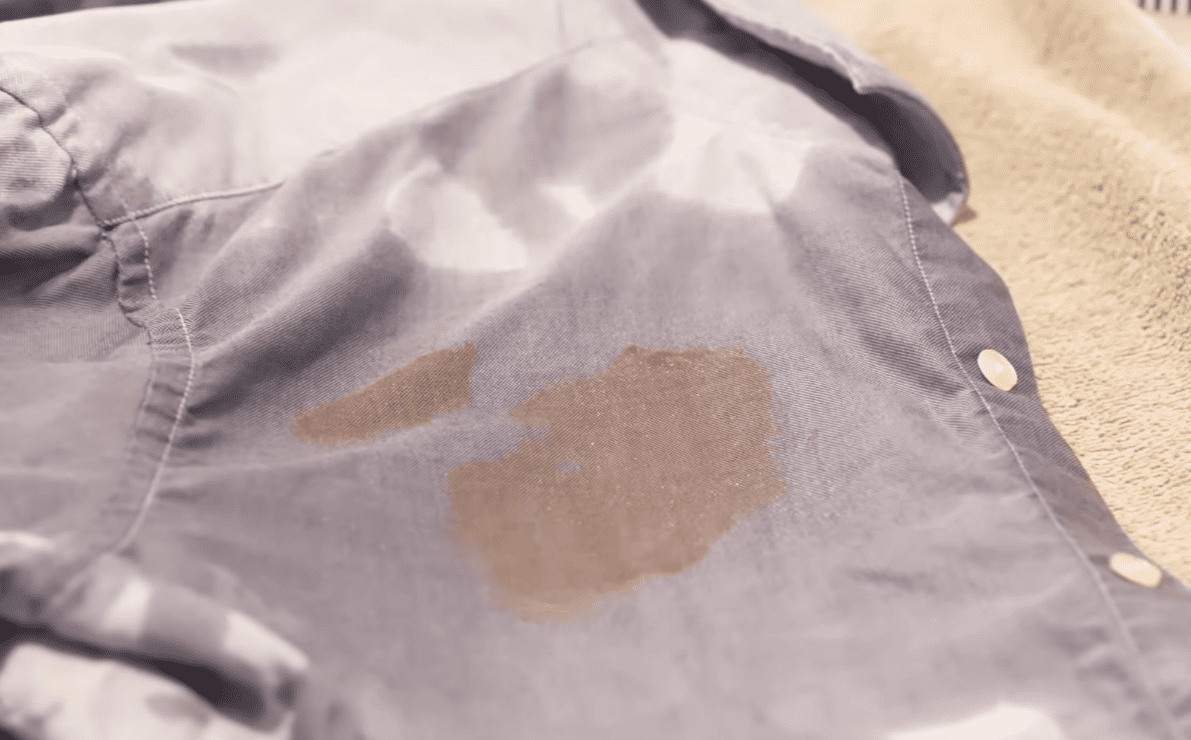
Next, use a paper towel to blot the area. Press down to soak up liquid. Never rub, as this spreads the stain.
Turn the garment inside out. Hold the stained area under a stream of cold water. Let the water flow from the back to push the tomato sauce out through the front.
Pre-Treating for Optimal Results
After rinsing, apply a small amount of clear dish detergent directly onto the spot. Gently work it in with your fingers. Let it sit for five to ten minutes to tackle the oils.
For a stronger boost, use a dedicated stain remover like Tide OXI Boost PODS. Always check the care label first to ensure the product is safe for your clothing.
If the stain remains visible, gently dab it with a clean cloth soaked in cold water. Repeat the pre-treatment step. Never put the garment in the dryer until the mark is completely gone.
Effective Stain Removal Techniques for Various Fabrics
Your favorite blouse and workout leggings won’t respond to the same cleaning tactics. Material type dictates the safest, most effective approach for tackling those pesky tomato sauce incidents.
Always check the care label first. This simple step prevents damage and guides your entire strategy.
Tips for Cotton and Synthetic Materials
For cotton, a mix of white vinegar and water works wonders. Apply it to the stain and let it sit for 10 to 15 minutes before rinsing.
You can also make a paste with baking soda and water. Gently rub this onto the affected area. Rinse thoroughly with cold water.
Synthetic materials like polyester often need a dedicated stain remover. Apply liquid detergent directly to the tomato stain. Wash the garment in cool water afterward.
Special Care for Delicate Fabrics
Silk, wool, and other delicate fabric require extra caution. The care label may advise professional cleaning or gentle hand washing.
Never rub a delicate garment aggressively. Blotting with a clean cloth is the safest first move for fresh sauce stains.
Natural Remedies and Alternative Methods
Lemon juice acts as a bright, natural stain remover. Let it sit briefly before a thorough rinse. For tougher marks, mix one part hydrogen peroxide with one part dish soap.
This creates a powerful solution for your clothes. Always test any product on a hidden seam first. This ensures no color loss or fabric damage occurs during stain removal.
Conclusion
With the right approach, your clothes can survive even the messiest pasta night. Successfully tackling those vibrant red marks requires immediate action and suitable cleaning products.
Always check your garment‘s care label before using any stain remover. This simple step protects delicate fabric fibers from damage during the cleaning process.
Cold water and quality detergent work together effectively. They lift stubborn tomato stains without permanently setting them into the material.
If a mark remains after washing, repeat the treatment. Avoid heat from dryers or irons, as it can make the stain permanent.
Keep basic supplies like dish soap and a clean cloth within reach. This preparedness helps you manage kitchen accidents promptly.
By following these methods, you can enjoy favorite meals without wardrobe worries. Your clothes will stay looking fresh and stain-free.