
Did you know that cyanoacrylate, the main ingredient in nail glue, can bond to fabric fibers in under 30 seconds? This fast action turns a simple spill into a sticky situation.
The adhesive is designed to create a permanent, strong bond. When it meets your favorite shirt or pants, it doesn’t just sit on the surface. It locks onto the material.
Time is your biggest enemy in this battle. The longer the substance sets, the more challenging the removal becomes. Acting quickly is the most important step you can take.
Don’t panic. This guide provides clear, safe steps for removing nail glue from your clothing. If you see a page blocked extension warning while reading, try disabling extensions. This can resolve a blocked extension blocked error and let you access all the tips.
Key Takeaways
- Act immediately after a spill. Dried nail glue clothes are much harder to treat.
- Understand that nail glue is a cyanoacrylate adhesive that bonds chemically to fabric.
- Gentle, patient methods are key to avoiding damage to the garment’s fibers.
- Always test any removal solution on a hidden seam or area first.
- Having the right household items on hand can make the process smoother.
- If online guides are blocked, check your browser extensions for access issues.
Introduction to Nail Glue Stains on Fabric
Fabric stains from nail adhesive are notorious for their tenacity. This is due to the product’s powerful formulation.
Quick action is essential for a successful cleaning process. Understanding the substance helps you choose the right steps.
Understanding Nail Glue and Its Composition
The primary ingredient is cyanoacrylate. This is the same adhesive found in many strong industrial products.
It is designed to hold press-on nails securely for over a week. This durability makes it a persistent problem on clothing.
When it bonds to fabric, it creates a hard, plastic-like film. Patience is required for safe removal.
The Impact of Glued Stains on Different Fabrics
The effect varies greatly across material types. Delicate fibers are at higher risk of damage from the hardened glue.
Always check the garment’s care label first. This guides your approach to the affected area.
See the table below for a quick reference on common materials.
| Fabric Type | Reaction to Nail Glue | Key Consideration |
|---|---|---|
| Cotton | Adhesive soaks into fibers; can leave a stiff patch. | Often tolerant of gentle solvents like rubbing alcohol. |
| Silk | High risk of discoloration and fiber weakening. | Test any method on a hidden seam first. Use mild solutions. |
| Polyester | Glue may sit more on the surface; less absorption. | Acetone can work but may damage synthetic sheen. |
| Denim | Durable material can handle more aggressive techniques. | Scraping dried residue carefully is often safe. |
Accessing reliable information is key. If a page blocked extension prevents you from viewing guides, try disabling extensions to resolve the blocked extension blocked error.
How Nail Glue Interacts with Various Fabric Types
Not all textiles respond the same way when they come into contact with cyanoacrylate-based adhesives. The bond formed can be looser or tighter depending on the material. Your first move should always be to check the garment’s care label.
This small tag holds the key to your clothing‘s safety. It tells you the fabric type and the manufacturer’s recommended cleaning steps. Using the wrong method can set a stain permanently or damage fibers.
Identifying Fabric Care Labels and Requirements
Care labels provide specific instructions for washing, drying, and ironing. They are your roadmap for safe removal of any substance. If you need to look up details online and see a page blocked extension warning, try disabling extensions to view the information.
Always test your chosen solvent on a hidden area, like an inner seam. This prevents surprises like discoloration or texture changes. Natural fibers like cotton may handle different solutions than delicate silk or synthetic blends.
Encountering a blocked extension blocked alert is a minor hassle. It should not stop you from accessing vital care guidelines. With the right knowledge, you can tackle nail glue clothes issues confidently on any material.
Essential Tools and Household Cleaning Agents
Your cleaning arsenal for adhesive accidents doesn’t require special equipment, just common solvents and tools. Gathering the right items before you start makes the entire process smoother and safer for your garments.
Effective Solvents: Acetone, Rubbing Alcohol, and Alternatives
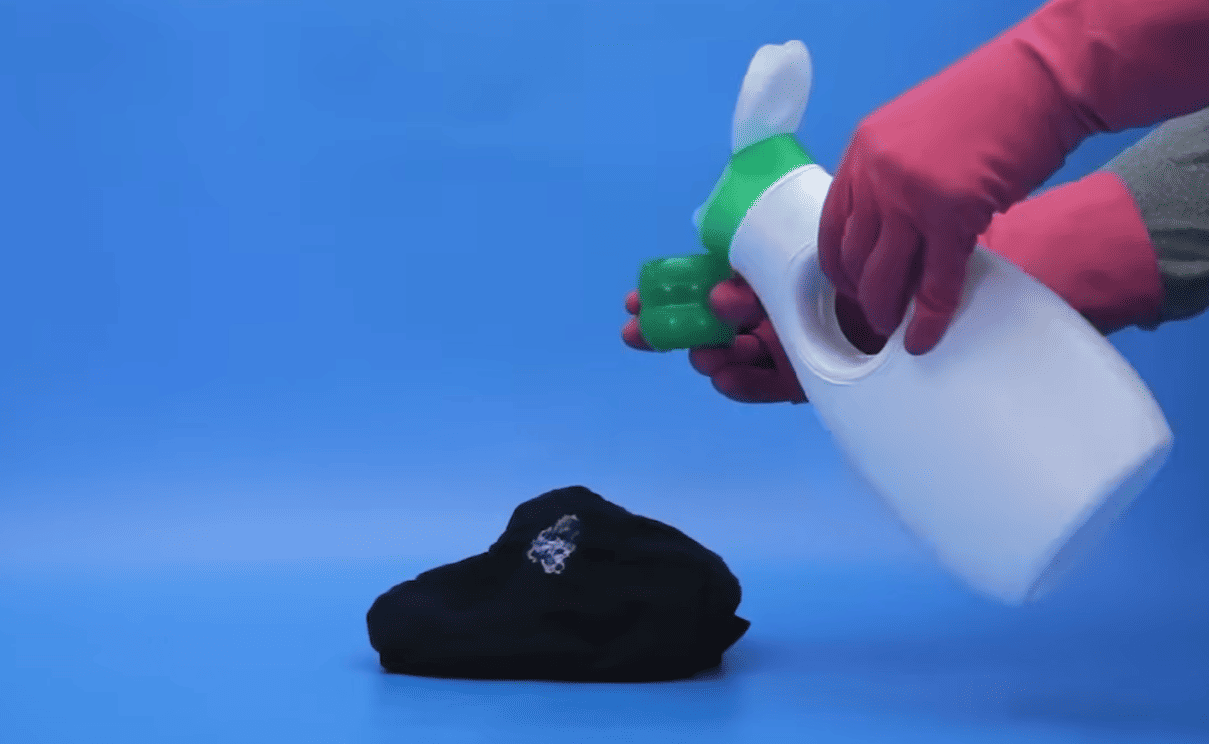
Acetone is a powerful option found in many nail polish removers. It can dissolve the hardened adhesive quickly. Always test it on a hidden area first, as it may affect some dyes.
Rubbing alcohol is a gentler alternative for delicate fabric. It works well on fresh spills. For a mild approach, warm, soapy water can also help loosen the bond.
If you see a page blocked extension warning while researching, try disabling extensions. This lets you access full lists of recommended agents.
Common Cleaning Supplies: Detergents, Cotton Swabs, and Toothbrushes
A soft-bristled toothbrush is perfect for gentle agitation. Cotton swabs allow for precise application of solvents to the stained spot.
Have a non-bleach stain remover or mild dish soap on hand. These help lift any residue after the initial removal steps. A blocked extension blocked alert shouldn’t stop your prep work.
| Cleaning Agent | Best For | Key Precautions |
|---|---|---|
| Acetone (Nail Polish Remover) | Stubborn, dried adhesive on durable fabrics like cotton or denim. | Test for colorfastness. Use in a well-ventilated space. |
| Isopropyl Alcohol (Rubbing Alcohol) | Fresh spills or more delicate synthetic blends. | Less harsh on dyes but may dry out some natural fibers. |
| Mild Dish Soap & Warm Water | Initial treatment or follow-up cleaning after solvent use. | Always use cool to warm water first to set no stain further. |
With these supplies, you’re ready to address the issue on your clothing. For detailed removing nail glue techniques, ensure full site access. If needed, try disabling extensions to resolve any page blocked extension errors.
Step-by-Step Process: how to get nail glue out of clothes
Tackling an adhesive mishap on your garments requires a clear, methodical approach. Following ordered stages increases your chance of success. It also helps prevent damage to the material.
Immediate Action and Pre-Treatment Strategies
Speed is critical for removal. Begin by soaking the stained section in cold water for fifteen minutes. This softens the cyanoacrylate adhesive.
Always perform a patch test first. Apply your chosen remover to a hidden seam. This checks for color bleeding or fabric harm.
If a page blocked extension error appears, try disabling extensions. This grants full access to detailed guides.
Detailed Removal Techniques for Dried and Fresh Glues
For fresh spills, use a cotton swab with rubbing alcohol. Gently dab the area to dissolve the substance. This process works on many fabrics.
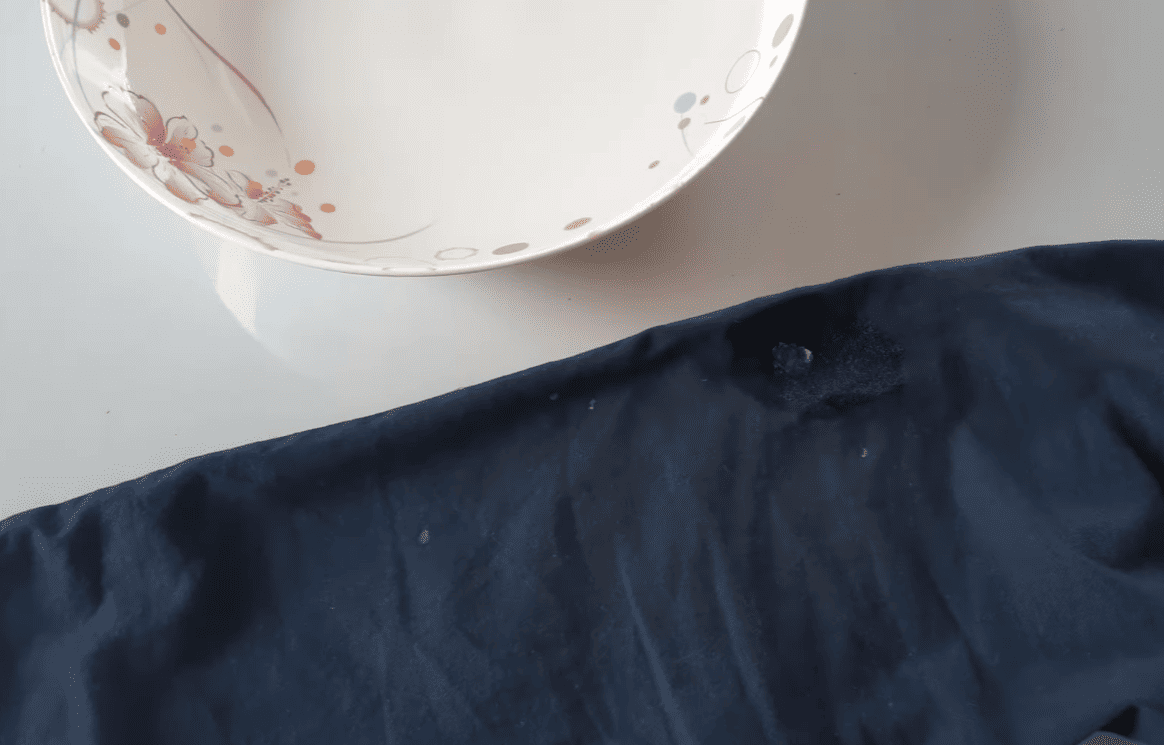
Dried adhesive needs a stronger solvent. Acetone-based nail polish remover is effective. Apply a small amount directly to the stain.
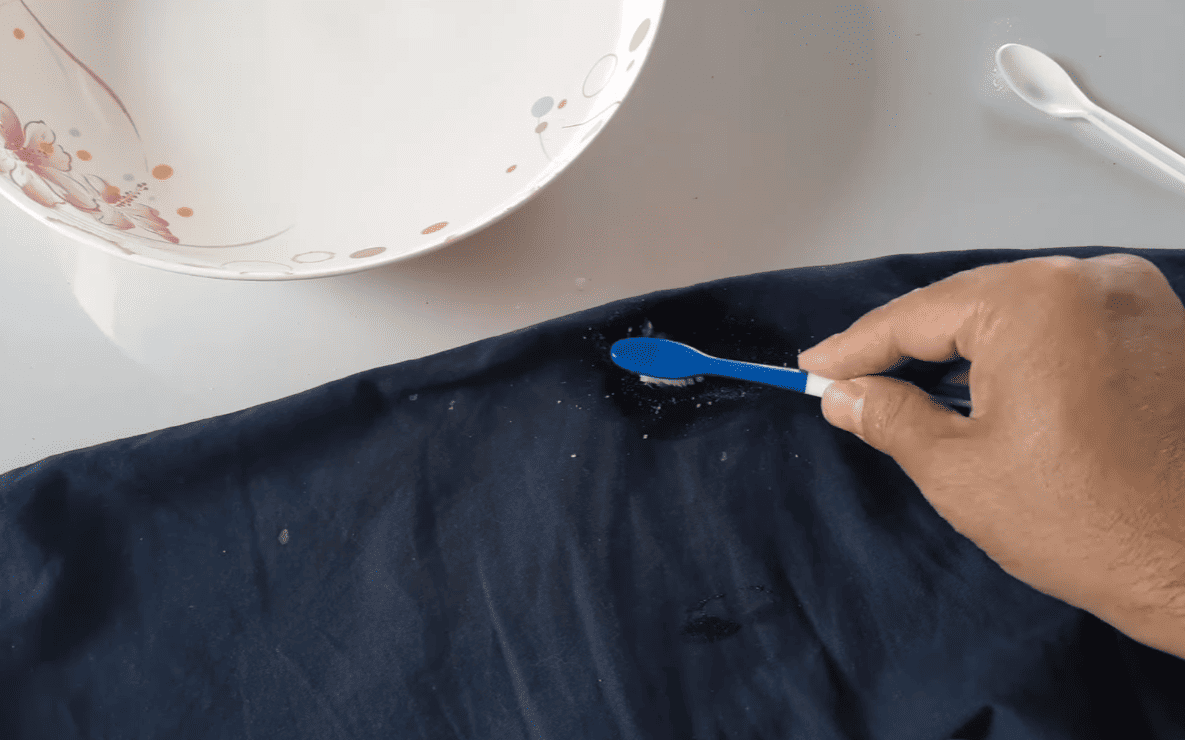
Let it sit for a few minutes. Then, use a soft toothbrush to scrub lightly. This lifts the residue without harming fibers.
| Glue State | Primary Technique | Key Tool | Time Factor |
|---|---|---|---|
| Fresh | Dissolve with isopropyl alcohol | Cotton swab | Act within 1 hour |
| Dried | Penetrate with acetone solvent | Soft-bristle toothbrush | Let sit 5-10 minutes |
After treatment, wash the garment as usual. Use a mild detergent. Inspect the area before drying to ensure complete removal. This step restores your clothing.
Alternative Methods for Removing Glues from Fabric
Oil and warm water offer a safe path for delicate materials and sensitive skin. These gentle methods are perfect for prized garments. They work well when you wish to avoid stronger chemical solvents.
Gentle Methods Using Warm Water, Soap, and Oil
Begin with a simple soak. Fill a basin with warm water and add mild dish soap. Submerge the stained area for twenty to forty minutes.
The warmth and soap work together to soften the bond. This is a very mild way to address the issue on silk or fine cotton.
For another safe option, turn to your pantry. Common household oils can break down the cyanoacrylate adhesive. Coconut oil, olive oil, or petroleum jelly are all effective.
- Coconut Oil
- Olive Oil
- Petroleum Jelly
These are ideal for use near sensitive skin or on fragile fabrics. Apply a small amount directly onto the nail glue. Let it sit for several minutes to penetrate.
Then, use a soft-bristled toothbrush to gently work the residue free. The oil loosens the glue without harming fibers or colors.
After this removal step, launder the garment as usual. These patient techniques help restore your clothing while keeping its quality. If a page blocked extension warning appears, try disabling extensions to view all our gentle cleaning tips.
Safety Tips and Precautions When Removing Nail Glue
Before you begin the cleaning process, a few simple precautions can protect both you and your garment. Handling strong adhesive and the solvents used to dissolve it requires careful attention.
Protecting Your Skin and Preventing Fabric Damage
Be aware of specific chemical reactions. Cyanoacrylate, the active ingredient in nail glue, can react with materials like cotton.
This interaction generates significant heat, which poses a burn risk to your skin.
Always work in a well-ventilated area. Fumes from acetone or nail polish remover can be strong. Never use direct heat, like a hairdryer, as it can set the glue permanently into the fabric.
Testing is non-negotiable. Apply any solvent to a hidden seam first. This checks for color bleeding or fabric damage before treating the visible stain.
- Ensure good airflow in your workspace.
- Do not leave a soaked area unattended for long periods.
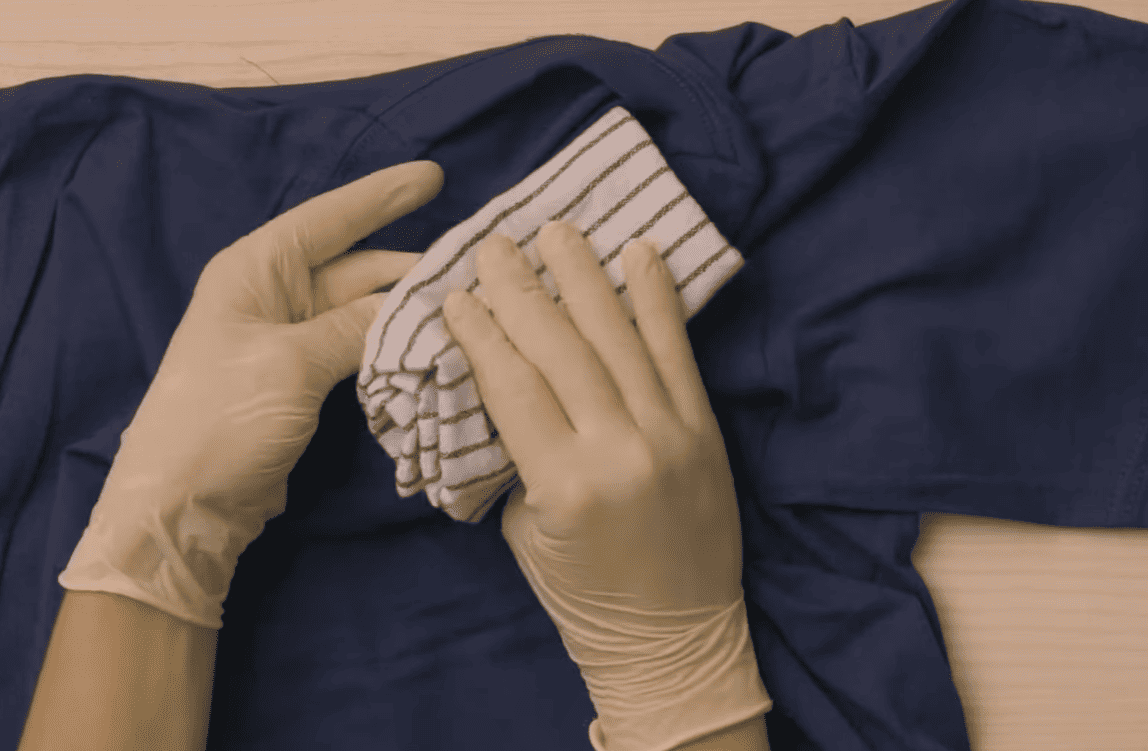
- Wear gloves if you have sensitive skin.
Following these steps helps you safely restore your clothing. If a page blocked extension warning appears, try disabling extensions to view all our safety details. This resolves a blocked extension blocked error so you can clean with confidence.
Additional Tips for Preventing Future Nail Glue Stains
A little preparation goes a long way in keeping your favorite outfits safe during a manicure. Smart habits can shield your wardrobe from common hazards.
Focus on creating a barrier between the adhesive and your garments. This proactive approach saves time and stress.
Workstation Setup and Protective Clothing
Always wear an apron or an old shirt over your clothes. This simple step creates a primary shield.
Cover your work area with a towel or newspaper. It catches spills before they reach fabric or furniture.
This setup contains any accidental drips. Your environment stays clean, and your nice outfits remain untouched.
Quick Remedies for Accidental Spills
Act fast if a spill happens. Fresh nail glue is much easier to manage than dried residue.
Keep a bottle of nail polish remover nearby. This remover allows for immediate treatment.
Gently dab the area with a soaked cotton ball. Quick action often prevents a permanent mark.
These simple habits let you enjoy nail art without worry. Your clothing stays protected, and cleanup is minimal.
Conclusion
Accidental spills from your manicure session don’t have to spell disaster for your wardrobe. With prompt action and the right household items, you can tackle these sticky situations effectively.
Remember, checking the garment’s care label is a crucial first step. Always test your chosen remover, like nail polish remover or mild detergent, on a hidden area. This simple precaution protects delicate fabric and your skin.
For stubborn residue, a soft toothbrush and a little patience work wonders. Gentle scrubbing for a few minutes can lift the adhesive without harm.
Proactive habits are your best defense. Wearing an apron over your clothes and covering your workspace prevents most mishaps. With these methods, you can maintain a beautiful wardrobe and enjoy stress-free nail care.