
Over 40% of people who use skin ointments report accidentally transferring the product onto their clothing. This popular petroleum-based balm is a champion for skin health, creating a protective barrier over cuts and scrapes.
Its very effectiveness poses a hidden risk to your wardrobe. The rich, oily formula does not always stay where you put it.
When you apply it, residue can easily migrate from your skin to your favorite fabrics. Common victims include everyday items like t-shirts, sweatpants, and cozy sweaters.
These marks are notoriously stubborn. They often manifest as persistent yellow or greasy spots that laugh at a regular wash cycle.
Understanding why this happens is your first line of defense. This knowledge empowers you to protect your garments while still enjoying the skin care benefits you trust.
Key Takeaways
- Aquaphor is a petroleum-based ointment that can leave marks on fabric.
- Common clothing items like t-shirts and sweatpants are susceptible.
- Stains often appear as yellow or greasy spots.
- Immediate treatment increases the chance of removal.
- Understanding the product’s composition helps in stain prevention.
- Proper application techniques can minimize transfer to your clothing.
Understanding Aquaphor and Its Staining Properties
Petroleum-based ointments are designed to cling to skin. This same property makes them adhere stubbornly to fibers.
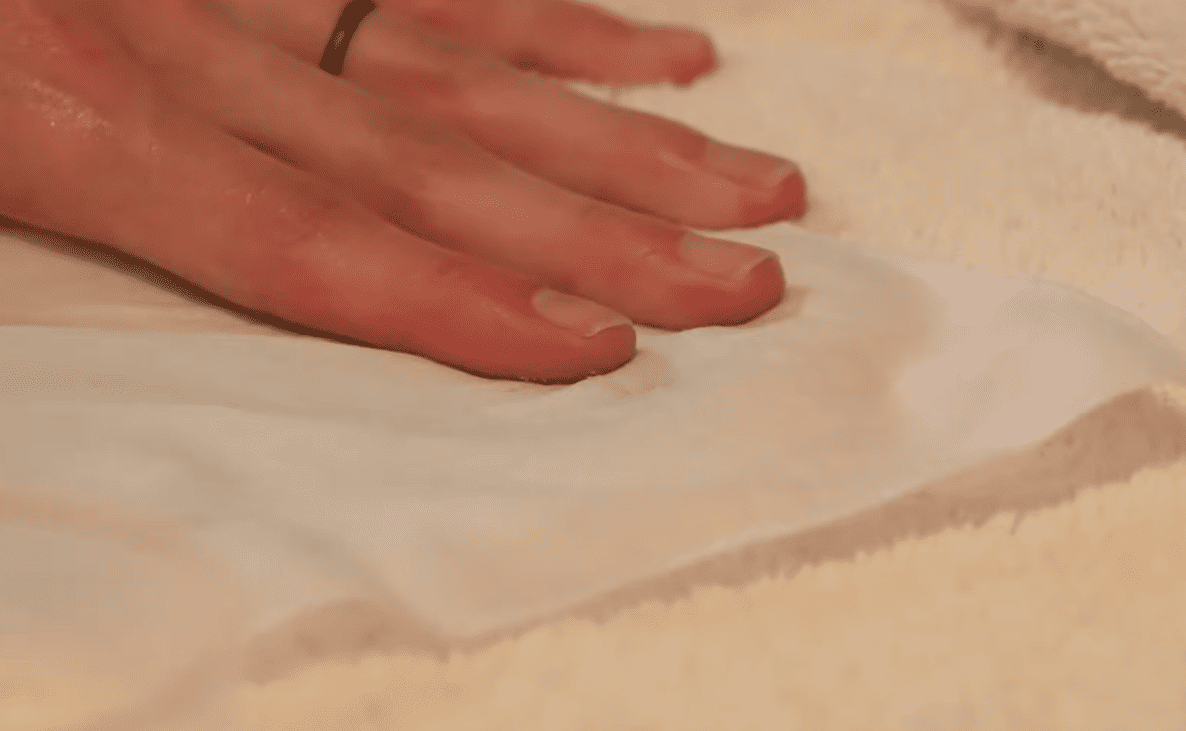
The result is a mark that resists casual cleaning. Knowing why helps you fight it effectively.
Oily Composition and Fabric Interactions
This healing balm has a thick, oily base. It sinks deep into fabric threads upon contact.
Natural materials like cotton often handle washing better. Synthetic types, such as polyester, trap oils more aggressively.
Your choice of laundry products matters for these aquaphor stains. A strong detergent can help lift the grease.
Heat Sensitivity and Time Factor
Time is your biggest enemy with these marks. The longer they sit, the harder they bond to the material.
Heat sensitivity is a major concern. High temperatures from a dryer can set the oily residue permanently.
There’s also a safety note. Petroleum-based products can trap dryer heat in clothing. This creates a risky situation if items are not cooled properly.
Acting fast with cool water is key. It prevents the stain from becoming a permanent guest on your favorite garments.
does aquaphor stain clothes: Debunking Common Myths
The journey to clean fabric begins by separating helpful facts from persistent laundry folklore. Believing common myths can leave you with a permanent mark.
Examining How Different Fabrics Absorb Aquaphor
Not all materials handle greasy residue the same way. Natural fibers like cotton might show a surface spot.
Synthetic fabrics, however, absorb the oily product deep into their threads. This makes the mark much harder to lift during a regular wash cycle.
Separating Fact from Fiction
A major myth is that all stain removers work equally well. Many fail on oil-based residues.
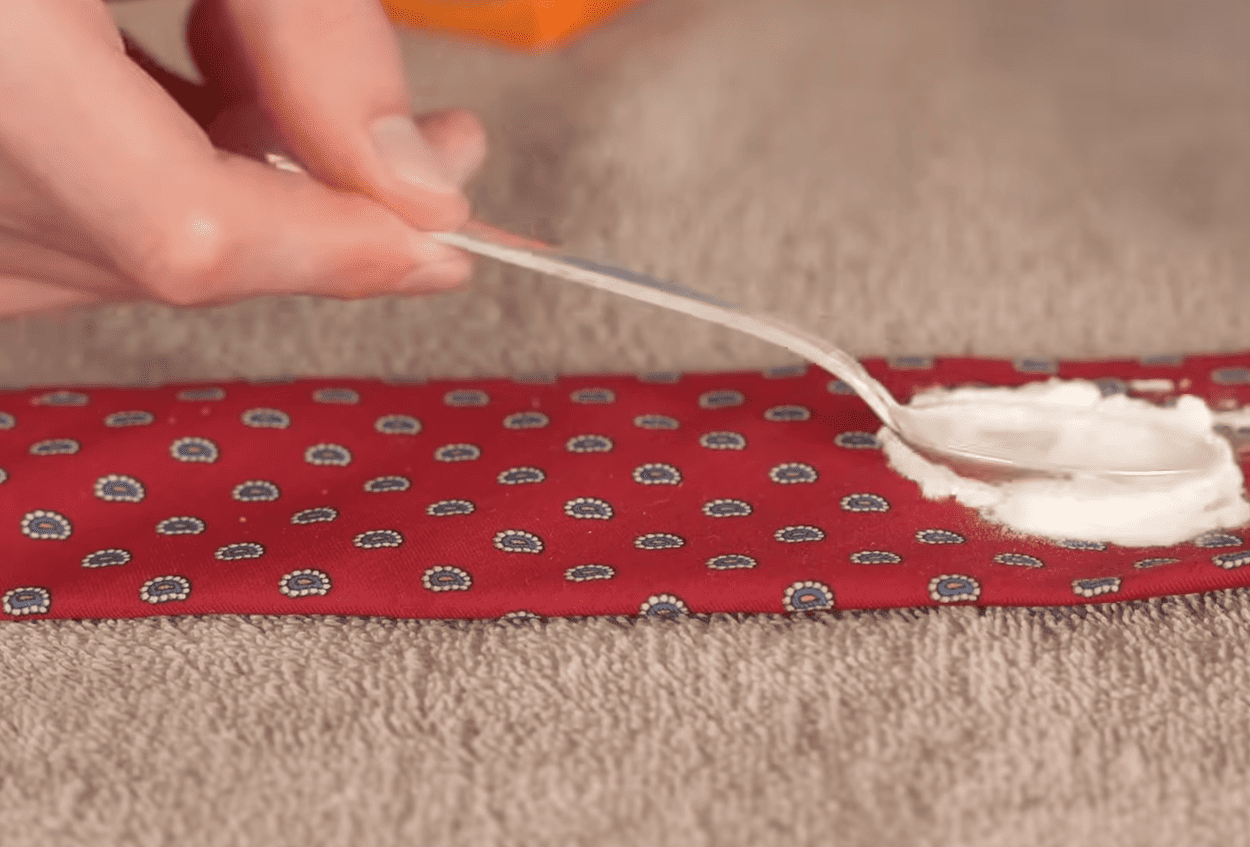
The truth is, a targeted approach wins. Applying a paste of dish soap and baking soda directly to the spot is a proven method.
Let it sit for about 30 minutes. This allows the mixture to break down the grease.
Another fiction is that fabric softeners help. They often coat fibers and trap the stain.
For initial treatment, warm water can be more effective than cold. You must avoid high heat to prevent setting the mark permanently.
Home remedies like white vinegar are gentle yet effective for delicate items. Using these facts, you can successfully remove stubborn issues and keep your clothing fresh.
Effective Home Remedies and Professional Solutions
Your kitchen pantry holds several powerful allies in the fight against oily fabric marks. Simple household items can often lift the residue before it becomes permanent. Knowing when to try a DIY fix and when to seek expert help saves your favorite garments.
DIY Methods with Baking Soda, Vinegar, and Rubbing Alcohol
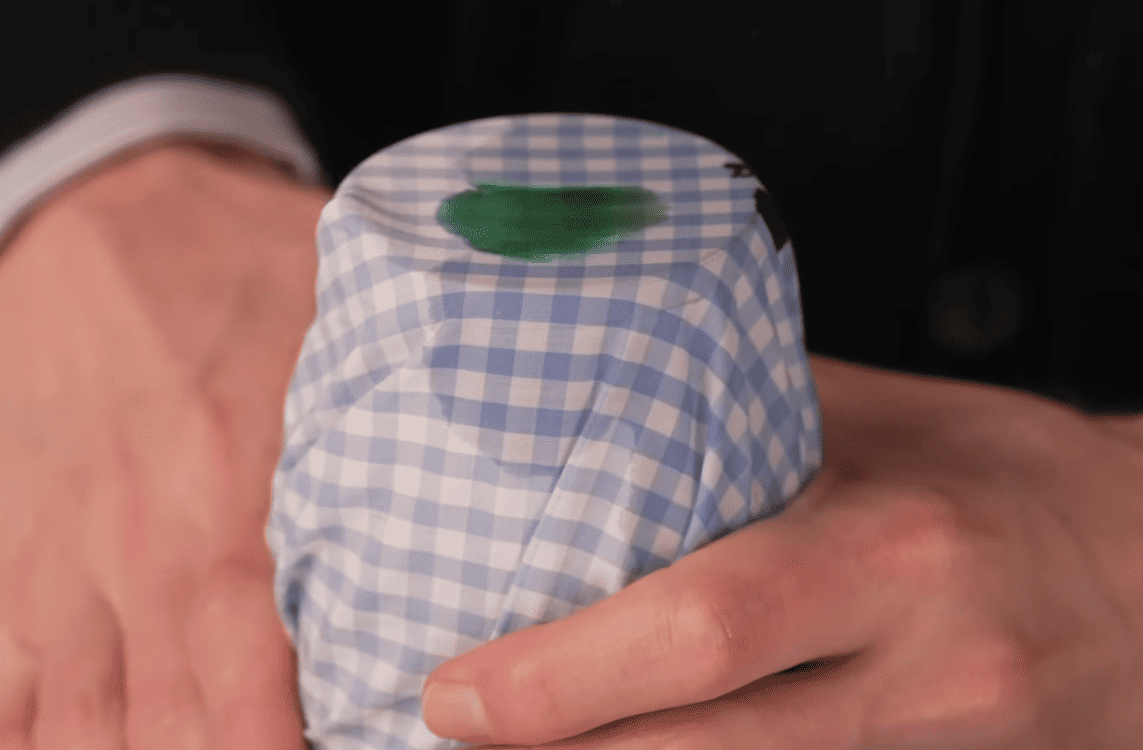
Create a thick paste from baking soda and water. Apply it directly to the affected area and let it sit for about thirty minutes. This mixture works to gently lift the oily substance from the fibers.
For a persistent mark, a white vinegar soak is a top home remedy. Mix one part vinegar with two parts warm water and submerge the item for several hours. This acidic solution helps break down the greasy residue effectively.
Rubbing alcohol is another excellent option. Apply a small amount directly to the spot to dissolve the petroleum base. Always follow with a wash using your regular laundry detergent.
When using dish soap, gently scrub the area for a few minutes. This helps the soap penetrate deep into the material.
When to Seek Professional Cleaning Assistance
Sometimes, a mark is too stubborn for home treatment. If the product has been through a hot wash or dryer cycle, the heat can set it permanently. This is when professional stain removers and cleaners have the best chance of success.
For expensive or delicate items, professional cleaning is the safest way. Experts understand different fabrics and use specialized products. Always check the garment’s care label first to avoid causing damage with the wrong treatment.
Laundry Techniques and Tips for Stain Prevention
Smart laundry habits form your best defense against persistent fabric marks. A solid routine combines immediate action with the right products and settings.
This approach keeps your wardrobe looking fresh and extends the life of your favorite pieces.
Pre-Treatment Strategies and Optimal Washing Conditions
Always pre-treat a spot as soon as you notice it. Apply a quality stain remover directly and let it sit for several minutes before washing.
Water temperature is a powerful tool. For general washing and safety, set your machine to a maximum of 120°F.
Use cold water for delicate items to avoid setting any missed residue. For durable materials like denim or cotton towels, a hot water wash cycle is more effective against deep oil-based stains.
Managing Laundry Additives and Fabric Care Essentials
Your washing machine itself needs care. Running a cycle with Simple Green and Dawn dish soap can break down stubborn grease residue left behind.
Boost your regular laundry detergent by adding a half-cup of baking soda. This enhances cleaning power and neutralizes odors.
Avoid using fabric softeners on treated areas, as they can coat fibers and trap oils.
Handling Delicate vs. Durable Fabrics
Treat silks and wools gently. Soak them in a solution of white vinegar and warm water before a cold, gentle wash.
For sturdier fabrics, a hot wash is acceptable. A crucial final step is to let garments cool completely after the dryer cycle.
This prevents residual heat from setting any lingering oily substances, ensuring a truly clean result.
Conclusion
With the right knowledge, those pesky greasy spots don’t have to ruin your day. Success hinges on a quick response and using simple household items from your pantry.
Understanding the ointment’s oily nature helps you choose the correct treatment. Always pre-treat a mark and select the proper water temperature for washing to keep your garments in top shape.
Persistent issues may require consistent effort, but your favorite pieces can often be restored. Regular fabric care and machine maintenance are your best defense against future problems.
Each challenge is a chance to improve your laundry skills. Your wardrobe stays fresh, and you gain confidence in handling any accident that comes your way.